Tucker McConville
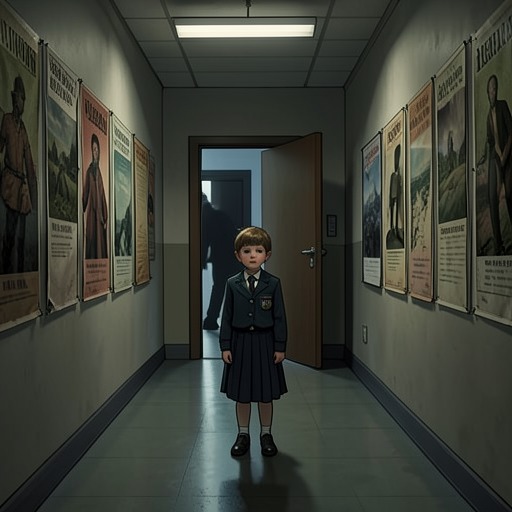
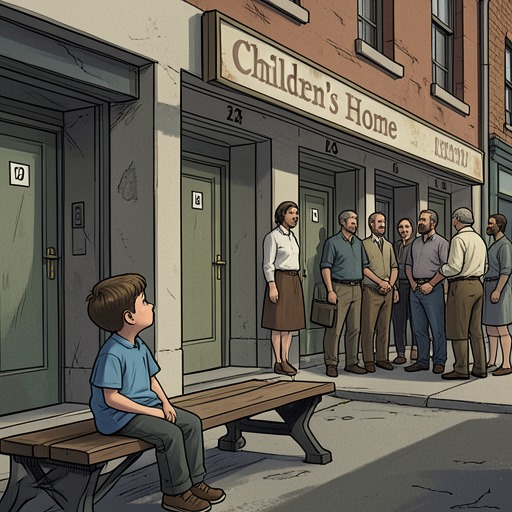
Say NothingTucker McConville’s brief account in the book is defined by childhood separation, institutional abuse, and repeated efforts to return to Belfast. At nine, he was removed from Nazareth Lodge with his brother Michael and sent to De La Salle Boys’ Home near Kircubbin; the boys’ attempts to get back to their city were met with punishment rather than protection.
Identity and Removal
In March 1973, Tucker and Michael were summoned to court in Belfast on a shoplifting charge. That same month, while their sister Dolours Price was bombing London, a decision was made to move the boys out of Nazareth Lodge and away from Belfast altogether. Their new home was twenty-two miles away in County Down, near Kircubbin. The institution occupied a converted Victorian mansion and newer cottages across 250 acres—a broad rural setting sharply unlike the brick-and-concrete surroundings the boys had known in Belfast.
Tucker was nine; Michael was eleven. The change of scenery did not mean safety. Older children bullied the brothers, while children at the home were dressed in clothes bought in bulk that did not fit. Staff also put them to work, sometimes hiring them out to nearby farms to pick potatoes. The evidence places Tucker within an institution where physical punishment was routine and abuse was widespread, not in a refuge from the upheaval that had already separated the children from their mother.
Escape and Return
Tucker and Michael repeatedly ran away. They felt it was their duty to be back in Belfast in case their mother reappeared. Their flight was therefore directed toward the possibility of reunion: returning to the city meant being where they believed they needed to be if she came back. Each time, the boys were found and returned to Kircubbin, where they were beaten.
The staff eventually took away their shoes, hoping that bare feet would slow them if they escaped the grounds and reached the country road, where they might try to hitch a ride to Belfast. The measure turned their repeated flight into a visible contest over movement: the boys kept trying to leave, and the institution responded by making departure harder. Their efforts did not bring them home, but they make clear how strongly the possibility of their mother’s return shaped their actions.
Narrative Significance
Tucker’s experience is presented alongside Michael’s, but the account does not give Tucker a separate later trajectory. What it does establish is the repeated pattern of removal, attempted return, recapture, and beating. The boys’ flight was treated as a problem to suppress, although the reason they gave for returning to Belfast was their concern for their absent mother.
The wider account of Kircubbin places their treatment within a culture of abuse in which violence by adults and older children was tolerated. In Tucker’s case, the detail of the confiscated shoes condenses the institution’s response to the brothers’ attachment to home: rather than resolving the separation, it tried to restrict their means of resisting it.